



Overview of Implant Placement Cincinnati & Crescent Springs
The Dental Implant Surgical Procedure
Implants are often placed at the same time as the extraction of the tooth, as long as there is enough bone to allow stability of placement. When infection or other problems with the bone are present, immediate implant placement is not the best treatment.
If your tooth has been missing for some time, the adjacent support bone is likely to grow thinner and shrink. This occurs because the root of the natural tooth has to be present to stimulate the bone. As much as one third of your jaw’s thickness can be lost in the year following tooth extraction. If you are missing enough bone, you may benefit from having additional bone grafted into the area. This ensures the implant will be adequately supported when it is placed in the jaw. Dr. Stigall will go over the best treatment to ensure the quickest and most effective treatment plan.
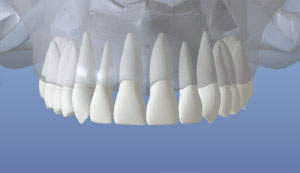
1. Normal
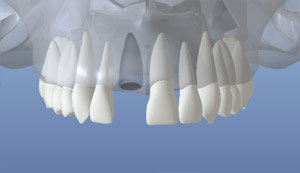
2. Tooth Loss
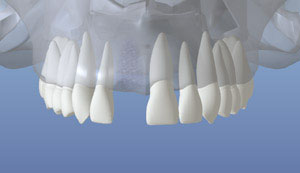
3. Healed Bone
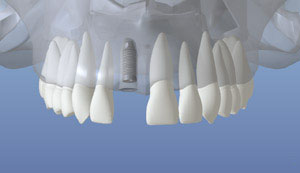
4. Implant Placed
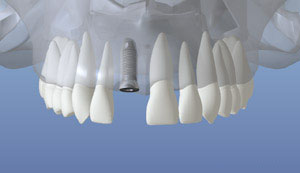
5. Healing
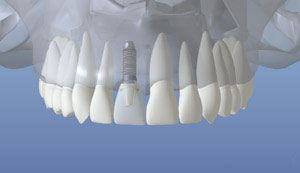
6. Implant Restored
Ready to Make an Appointment with Dr. Stigall?
Call Implants and Orofacial Surgery Specialists with any questions or to make an appointment!